Psilocybe Ochraceocentrata (OCHRA)


Ochra
Formally known as P. Natalensis, the species was first documented by mycologists Jochen Gartz, Derek Reid, Michael Smith, and Albert Eicker. Its specific epithet, "natalensis," refers to its type locality in the Natal province of South Africa (now KwaZulu-Natal).
Early studies on P. natalensis confirmed it was a distinct psilocybin-containing species, though closely related to Psilocybe cubensis. It became popular among cultivators for its robust and contamination-resistant mycelium. Its potency and effects were considered particularly desirable
In 2024, a team of researchers formally reclassified the species. This change resulted from advances in DNA sequencing and phylogenetic analysis that provided a more accurate understanding of the species' genetic makeup and place in the fungal kingdom..
The new name highlights a key identifying feature: the yellowish-brown, or ochre, coloration at the center of the cap.
Genetic analysis revealed that the species commonly circulated as P. natalensis did not match the original type specimen. Instead, the commercially available strains were a newly identified species, Psilocybe ochraceocentrata, which is a sister species to P. cubensis.
The strain is still known for Aggressive and fast colonization, resistance to contamination, and Impressive potency.
Individuals who decide to partake should expect sensory distortions and hallucinations, Intense emotions, altered sense of time and space, and changes in thinking and awareness.
All Information, images, and links provided on this page are for educational purposes only.
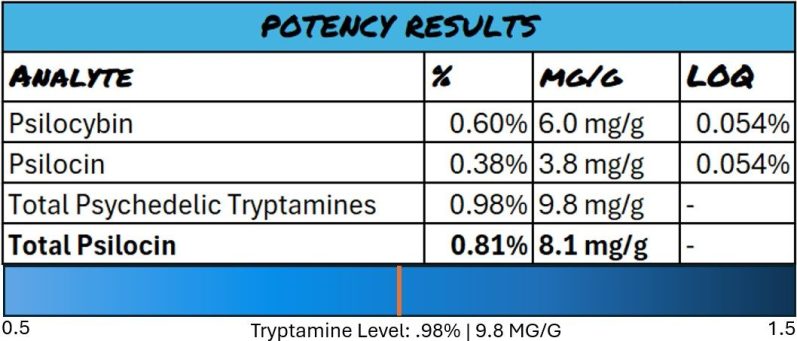
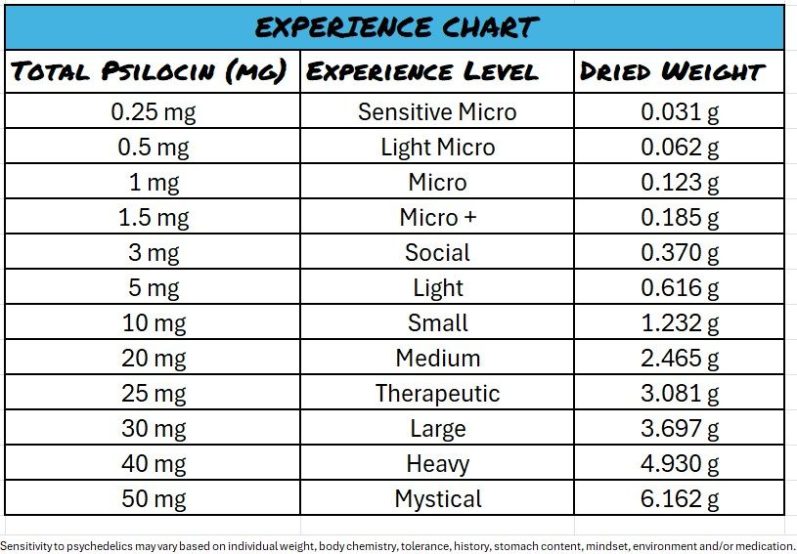
Ochra Potency and Experience Chart